The Function of Home Care in Preserving Senior Citizens' Dignity and Day-to-day Regimens
Business Name: FootPrints Home Care
Address: 4811 Hardware Dr NE d1, Albuquerque, NM 87109
Phone: (505) 828-3918
FootPrints Home Care
FootPrints Home Care offers in-home senior care including assistance with activities of daily living, meal preparation and light housekeeping, companion care and more. We offer a no-charge in-home assessment to design care for the client to age in place. FootPrints offers senior home care in the greater Albuquerque region as well as the Santa Fe/Los Alamos area.
4811 Hardware Dr NE d1, Albuquerque, NM 87109
Business Hours
Most households first check out home care throughout a crisis. A fall. A wandering episode. A hospital discharge that includes the blunt phrase, "they should not be alone in your https://milonpuy292.almoheet-travel.com/in-home-senior-care-vs-assisted-living-fall-prevention-and-home-security home." In that minute, the conversation rapidly turns to jobs: bathing, meals, medication, transportation. Needed, yes, however incomplete.
What families are actually attempting to protect is even more fragile than a list of responsibilities. They are trying to maintain a parent's dignity, their sense of identity, and the small everyday practices that make their life still feel like their own. That is where thoughtful at home senior care can make a profound difference.
I have sat at many cooking area tables with adult children who feel torn. One daughter in her 40s, whose father had moderate dementia, pushed his coffee cup toward me and whispered, "If I move him to a facility, I know he will be safe. But I also understand it will squash him. He still thinks of this house as his last accomplishment." Her father, at that minute, was in the living-room folding and refolding the same three towels. That basic task, in his own home, was silently holding together his sense of usefulness.
Home care, when it is done well, supports these peaceful, human information. It does not simply keep a person alive. It keeps them themselves.
What dignity really indicates in elder care
Dignity is frequently gone over in abstract terms, but in elder care it shows up in extremely concrete moments. Whether I am working with a family in a large city or arranging Albuquerque home look after a retired instructor who spent 30 years in the local school district, the exact same styles surface.
Dignity is connected to choice. Which sweater to wear. Whether to shave today or tomorrow. What to eat for breakfast, even if the options are narrowed for health factors. In a center, these decisions are often constrained by schedules, staffing, and institutional routines. In senior home care, we can normally bend the care around the person rather of the individual around the schedule.
Dignity is also tied to privacy. Full dependence on others for bathing, toileting, and dressing can shake even the most resistant person. How those intimate tasks are managed matters as much as the jobs themselves. A caregiver who keeps in mind to knock, to cover a client with a towel throughout a sponge bath, to describe each step before doing it, can protect an individual's sense of modesty in the middle of heavy care needs.
Finally, dignity is rooted in respect for the life that came before the care. A previous engineer does not stop being analytical because he now utilizes a walker. A retired nurse does not lose her medical knowledge the minute a caregiver walks through the door. Home care allows household and experts to weave a person's history and preferences into every day, instead of flattening them into "the hip fracture in space 212."
Why regimens matter more than many households realize
When you observe older grownups gradually, a pattern emerges. Those who keep familiar regimens tend to change much better to aging and health problem, even when their health difficulties are serious.
An early morning ritual is a good example. I when worked with a gentleman in his late 80s who had moderate Parkinson's and moderate cognitive decline. His body was rigid, his gait unsteady, and his short-term memory spotty. Yet every morning, he wanted to be at his kitchen table by 7:15, with his specific mug, the local paper, and jazz on the radio. Those 45 minutes looked like an easy breakfast. In truth, they anchored his day.
When elders transfer to institutional care, they often lose the familiar timing and flow of their days. Meals are at set times, bathing and laundry are on rotating schedules, and activities are provided in groups. The trade off is structure and scientific oversight, which are necessary. The expense can be a sense of dislocation: "I used to consume my coffee on the patio. Now I consume it when the cart comes."
With in-home care, regimens are protected more naturally. A caregiver can help a client shower at 10 a.m. If that is how they have constantly done it, instead of 6 a.m. Because that is when personnel are available. They can support a late sleeper, a night owl, or someone who likes to consume a light lunch and a heavy supper. That flexibility looks small on paper. In practice, it supports psychological health, supports state of mind, and reduces agitation, specifically in individuals living with dementia.
Home as the phase for identity
Environment shapes habits. Anyone who has strolled into a memory care unit at a hectic hour has actually seen locals pacing, calling out, or withdrawing in response to consistent noise and movement. That very same individual, in their own living room with a favorite blanket and a familiar television program, will frequently appear calmer and more engaged.
Home brings the history of an individual's life. The pictures on the wall, the used spot on the arm of a chair, the cooking area drawer that has held the exact same spatulas for 20 years. For elders, those environmental cues support orientation and recall. For individuals with dementia, they can often unlock stories and abilities that appear lost in more sterile surroundings.
I remember an older lady getting in-home senior care in her modest Albuquerque cottage. Her dementia was advancing, and she was frequently disoriented in public places. Yet in her own cooking area, she might find the sugar, the tea bags, and the broken blue teapot without prompting. Her caretaker comprehended that making tea "together" was not practically hydration. It was a daily practice session of autonomy.
Home is likewise where seniors are probably to still feel like hosts rather than passive recipients. They can use a glass of water to the checking out nurse. They can reveal a caretaker where the towels are. These small reversals of the helper-helped vibrant bring back a sense of equality that lots of elders silently crave.
What home care can use that centers cannot
Every family considering elder care deals with the question: home or center. There is no single right response. Facilities can provide 24-hour oversight, on site nurses, and access to rehab services that are difficult to duplicate in your home, especially for people with intricate medical needs.
Yet home care has unique benefits in maintaining dignity and regimen. It permits care to adapt to the person, preserves familiar environments, and supports a more individualized speed of life.
Here is a concentrated comparison that numerous families discover handy when considering senior home care versus facility-based care:
-
Choice and control
In-home care usually uses more versatile everyday schedules, tailored meal times, and more say in visitors and activities. Facilities needs to balance specific choices with group requirements, which can restrict choices. -
Privacy and intimacy
Home look after parents often maintains personal bedrooms and bathrooms and familiar regimens around bathing and dressing. Facilities work hard to regard personal privacy, but shared walls, roommates, and staff rotations naturally minimize it.
-
Continuity of relationships
With a stable home caretaker or small team, senior citizens see the exact same faces consistently. Center staff do their finest, however turnover, shift changes, and firm staffing can suggest a bigger cast of people associated with intimate care. -
Environmental familiarity
In the house, senior citizens remain surrounded by their ownerships, community, and sensory hints. Facilities supply safety and community, but the environment is, by requirement, more standardized. -
Clinical intensity
Facilities can respond quicker on site to acute medical changes and typically have more medical devices right away available. Home care need to collaborate with outside companies and emergency services, which works effectively in many cases but is an aspect for medically fragile seniors.
Each option carries trade offs. I have actually seen elders thrive in assisted living when they were isolated at home, and I have actually seen others degrade greatly after a relocation from their home environment. The question is not which setting is "much better," but which lines up with the senior's values, medical needs, and family capacity.

How professional caregivers protect self-respect day to day
Families frequently ignore how much skill is associated with high quality in-home care. Excellent caregivers do practical jobs, yes, however they also handle feeling, pride, anxiety, and household characteristics with peaceful finesse.
Consider bathing, one of the most sensitive activities in elder care. A rushed or job oriented method can feel infantilizing. A skilled caretaker will slow the rate, explain each step, deal choices like "Would you like to start with your hair or your back," and preserve as much self-reliance as is safely possible. They may hand the washcloth to the client for easier locations, reroute discussion to a neutral subject, and keep a towel throughout the lap and chest for warmth and modesty.
Medication management offers another example. A senior who has actually always been in charge of their own prescriptions may frown at being "taken control of." A thoughtful caregiver will work together: evaluating the pillbox together, asking the client to verify which tablet is for blood pressure, or welcoming them to place the medications in the organizer while the caregiver verifies accuracy. The goal is to maintain the client's function as the choice maker, with the caregiver as a safety net.
Good in-home care also prevents discussing the senior. It sounds easy, however it is common for going to therapists and even member of the family to direct questions only to the adult kid in the space. Professional caretakers who understand self-respect will routinely redirect attention back to the senior. "Let's ask Mr. Hernandez what he thinks," or "She is right here, let me contact her."
These are not grand gestures. They are micro decisions, repeated numerous times a week, that either deteriorate or reinforce a person's identity.
Supporting family roles instead of replacing them
One of the most relentless worries adult kids reveal is, "If we bring in caregivers, will Mom feel deserted?" Below that is another worry: "Will I be viewed as shirking my obligation?"
The healthiest method I have seen is to see home care as an expansion of the circle of care, not a substitution. When that mindset is clear from the beginning, senior citizens are more likely to accept assistance without feeling discarded.
For example, in a family organizing home care for parents who had both started to decline, their adult boy chose to keep certain tasks as "his." Every Sunday, he drove his parents to church and managed their weekly errands. An expert caregiver came throughout the week to assist with bathing, meal preparation, and safety guidance. His parents understood that the caregiver existed so that their son could be their kid, not their full-time nurse.
This shared model has several strengths:
It protects emotionally rich roles for family. Visiting to share a meal or talk about grandchildren feels different from rushing in to do laundry, insulin injections, and a fast safety check before racing back to work.
It extends the household's endurance. Burnout is real. I have actually seen devoted caregivers develop their own serious health concerns from years of doing it all. Generating elder care support early can prevent the pattern of crisis, hospitalization, and regret that comes when a family caregiver finally collapses.
It reduces tension. When professional caretakers deal with the most physically and mentally taxing jobs, household interactions frequently end up being warmer. Elders detect their adult children's stress. Removing some of that pressure assists maintain mutual respect.
The key is clear interaction. Elders should hear, consistently and all the best, that professional in-home care is being added because their well being matters, not due to the fact that the family wishes to step away.
Practical ways home care supports routine
On paper, home care for older adults looks like a list of services: personal care, companionship, transport, light house cleaning. In truth, each of those services can be tailored to enhance the senior's particular rhythms.
A normal morning might look like this: A caretaker arrives at 8:30 a.m. Because the client has actually constantly taken pleasure in a leisurely early morning. They welcome the client by name, discuss something individual ("I see you have your crossword out, did you begin currently?"), and ask if the client wants to shower before or after breakfast. If the client has actually normally read the paper before dressing, the caregiver builds around that: coffee, newspaper, brief headlines conversation, then help with grooming and clothing.
Throughout the day, the caregiver keeps in mind the customer's natural patterns. Some individuals are sharper and more engaged earlier; others heat up by afternoon. In dementia care, this attention is specifically crucial, as signs like "sundowning" can make nights more complicated. A capable caregiver will arrange more intricate jobs like showers or medical visits throughout the customer's finest time of day.
Meals are another chance to regard lifelong practices. If a customer has always consumed a huge breakfast and light supper, forcing the reverse for convenience will feel disconcerting. A skilled caregiver can still incorporate dietary constraints while honoring choices, for instance by adjusting part sizes and seasoning rather than enforcing a completely brand-new menu.
Even house cleaning can support identity. Some seniors feel worthless if they see somebody else do all the work. Inviting them to take part in small, safe jobs, like folding towels or drying a few meals, can supply a sense of contribution. For one retired school custodian I worked with, "helping" his caretaker tidy the living room became a source of visible pride.
Special factors to consider for dementia and cognitive decline
Dementia changes the material of life, however it does not eliminate a person's need for autonomy and respect. In fact, protecting self-respect becomes a lot more important as memory and judgment falter.
In-home senior care for people with dementia ought to lean greatly on constant routines and familiar surroundings. When a person knows, even unconsciously, that breakfast follows the noise of a particular radio station, or that the afternoon walk begins after their favorite show, anxiety drops. Sudden changes in schedule or environment can activate confusion and agitation.
Communication techniques matter too. Correcting every incorrect statement can feel humiliating and typically backfires. A caregiver trained in dementia care will utilize recognition and mild redirection. If a customer insists they require to "go to work," the caretaker might explore what work suggested to them, then channel that impulse into a purposeful activity at home, like arranging documents or arranging a toolbox.
Families in some cases ask whether it deserves paying for in-home care when a senior with dementia no longer remembers the caregiver from one day to the next. I typically address that dignity does not depend on recall. What matters is that, in each present moment, the person feels safe instead of scared, respected rather than managed, engaged rather than disregarded. Thoughtful home care supports those experiences once again and again, no matter long term memory.
When home care might not be the much better choice
Although I work thoroughly in elder care and see incredible benefits from in-home care, there are cases where staying in your home is not the most dignified or safe option.
If a person's medical requirements need continuous competent nursing, complex injury care, or constant monitoring that can not be provided consistently at home, a facility with the ideal level of clinical support may secure both their dignity and their health much better. Persistent hospitalizations, unmanaged symptoms, or regular emergency situation calls can signal that the home setting is no longer adequate, even with strong support.
Another factor is social engagement. Some senior citizens living alone, specifically in rural or sparsely populated locations, may end up being incredibly separated, seeing only a caregiver and maybe one member of the family. For an outbound person who prospers in group settings, assisted living or adult day programs integrated with home care may offer a healthier balance.
Financial realities matter as well. Around the clock, individually care at home can be pricey and not constantly sustainable. Families often extend too far economically, attempting to avoid facility positioning at all costs. When resources are restricted, innovative mixes, like part-time home care, household shifts, and respite stays, can assist bridge needs without collapsing under the weight of unrealistic expectations.
The core question to keep asking is: In this plan, does the senior feel as safe, reputable, and "themselves" as their condition permits? If the truthful response is significantly no, it is time to reevaluate the plan, even if that is emotionally difficult.
An easy structure for households considering home care
When I sit with households weighing Albuquerque home care or similar services in their own neighborhoods, I often suggest they stroll through a quick mental checklist. It helps keep the focus on self-respect and daily life, not simply tasks and fear.
Here is a succinct set of questions you can use:
-
Identity
What parts of your parent's personality and history feel most "them," and how could a caregiver in the house aid protect those? -
Routine
Which day-to-day routines, times of day, or rituals matter most to them, and can in-home care reasonably support those patterns? -
Safety
Where are the real risks in their current situation, and can they be dealt with in the home with expert assistance and modest home modifications?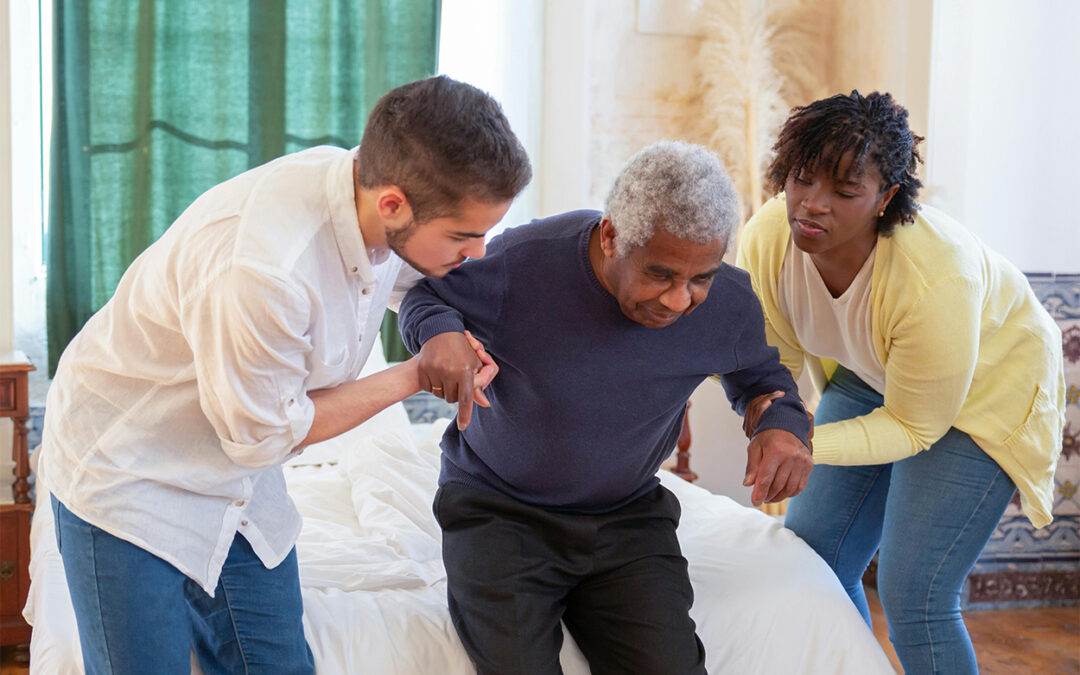
-
Roles
What do you, as family, wish to keep doing personally, and what would you gladly hand to a relied on caregiver? -
Sustainability
Emotionally and financially, could this arrangement work for at least the next year, comprehending that needs will continue to evolve?
Answering these questions truthfully, ideally with input from the senior if they can participate, supplies a more grounded foundation for choices about elder care.
Preserving self-respect is a daily practice, not a single choice
Choosing in-home care is not a one time service. It is the beginning of a continuous process of adjustment as health, abilities, and household situations change. The most dignified care arrangements I have actually seen were not the most elaborate or expensive ones. They were the ones where everyone involved stayed mindful to small details.
Is the senior still choosing their clothes, within reason. Are they still hearing their own name regularly than family pet names like "sweetie." Do caregivers and household still ask their viewpoints, even on small matters. Are they still doing at least one or two things every day that feel purposeful to them, whether that is feeding the canine, watering plants, or calling an old buddy with help.
Home care, at its finest, shines a light on these questions every day. It utilizes the familiarity of home as an effective tool to secure identity. It supports routines that provide shape to time. It permits households to keep liking their elders as sons, daughters, partners, and friends, while qualified professionals handle the parts of care that require skill and stamina.
Dignity for senior citizens is not an abstract viewpoint. It lives in the very practical choices made around bathing schedules, meal preparation, conversation, and regard for a lifetime of routines. Thoughtful in-home care, tailored to the person and grounded in their own area, is one of the strongest methods we have to honor that self-respect while supporting the truth of aging.
FootPrints Home Care is a Home Care Agency
FootPrints Home Care provides In-Home Care Services
FootPrints Home Care serves Seniors and Adults Requiring Assistance
FootPrints Home Care offers Companionship Care
FootPrints Home Care offers Personal Care Support
FootPrints Home Care provides In-Home Alzheimer’s and Dementia Care
FootPrints Home Care focuses on Maintaining Client Independence at Home
FootPrints Home Care employs Professional Caregivers
FootPrints Home Care operates in Albuquerque, NM
FootPrints Home Care prioritizes Customized Care Plans for Each Client
FootPrints Home Care provides 24-Hour In-Home Support
FootPrints Home Care assists with Activities of Daily Living (ADLs)
FootPrints Home Care supports Medication Reminders and Monitoring
FootPrints Home Care delivers Respite Care for Family Caregivers
FootPrints Home Care ensures Safety and Comfort Within the Home
FootPrints Home Care coordinates with Family Members and Healthcare Providers
FootPrints Home Care offers Housekeeping and Homemaker Services
FootPrints Home Care specializes in Non-Medical Care for Aging Adults
FootPrints Home Care maintains Flexible Scheduling and Care Plan Options
FootPrints Home Care is guided by Faith-Based Principles of Compassion and Service
FootPrints Home Care has a phone number of (505) 828-3918
FootPrints Home Care has an address of 4811 Hardware Dr NE d1, Albuquerque, NM 87109
FootPrints Home Care has a website https://footprintshomecare.com/
FootPrints Home Care has Google Maps listing https://maps.app.goo.gl/QobiEduAt9WFiA4e6
FootPrints Home Care has Facebook page https://www.facebook.com/FootPrintsHomeCare/
FootPrints Home Care has Instagram https://www.instagram.com/footprintshomecare/
FootPrints Home Care has LinkedIn https://www.linkedin.com/company/footprints-home-care
FootPrints Home Care won Top Work Places 2023-2024
FootPrints Home Care earned Best of Home Care 2025
FootPrints Home Care won Best Places to Work 2019
People Also Ask about FootPrints Home Care
What services does FootPrints Home Care provide?
FootPrints Home Care offers non-medical, in-home support for seniors and adults who wish to remain independent at home. Services include companionship, personal care, mobility assistance, housekeeping, meal preparation, respite care, dementia care, and help with activities of daily living (ADLs). Care plans are personalized to match each client’s needs, preferences, and daily routines.
How does FootPrints Home Care create personalized care plans?
Each care plan begins with a free in-home assessment, where FootPrints Home Care evaluates the client’s physical needs, home environment, routines, and family goals. From there, a customized plan is created covering daily tasks, safety considerations, caregiver scheduling, and long-term wellness needs. Plans are reviewed regularly and adjusted as care needs change.
Are your caregivers trained and background-checked?
Yes. All FootPrints Home Care caregivers undergo extensive background checks, reference verification, and professional screening before being hired. Caregivers are trained in senior support, dementia care techniques, communication, safety practices, and hands-on care. Ongoing training ensures that clients receive safe, compassionate, and professional support.
Can FootPrints Home Care provide care for clients with Alzheimer’s or dementia?
Absolutely. FootPrints Home Care offers specialized Alzheimer’s and dementia care designed to support cognitive changes, reduce anxiety, maintain routines, and create a safe home environment. Caregivers are trained in memory-care best practices, redirection techniques, communication strategies, and behavior support.
What areas does FootPrints Home Care serve?
FootPrints Home Care proudly serves Albuquerque New Mexico and surrounding communities, offering dependable, local in-home care to seniors and adults in need of extra daily support. If you’re unsure whether your home is within the service area, FootPrints Home Care can confirm coverage and help arrange the right care solution.
Where is FootPrints Home Care located?
FootPrints Home Care is conveniently located at 4811 Hardware Dr NE d1, Albuquerque, NM 87109. You can easily find directions on Google Maps or call at (505) 828-3918 24-hoursa day, Monday through Sunday
How can I contact FootPrints Home Care?
You can contact FootPrints Home Care by phone at: (505) 828-3918, visit their website at https://footprintshomecare.com, or connect on social media via Facebook, Instagram & LinkedIn
The Albuquerque Museum offers a calm, engaging environment where seniors can enjoy art and history — a great cultural outing for families using in-home care services.